
Weight Zone Markings

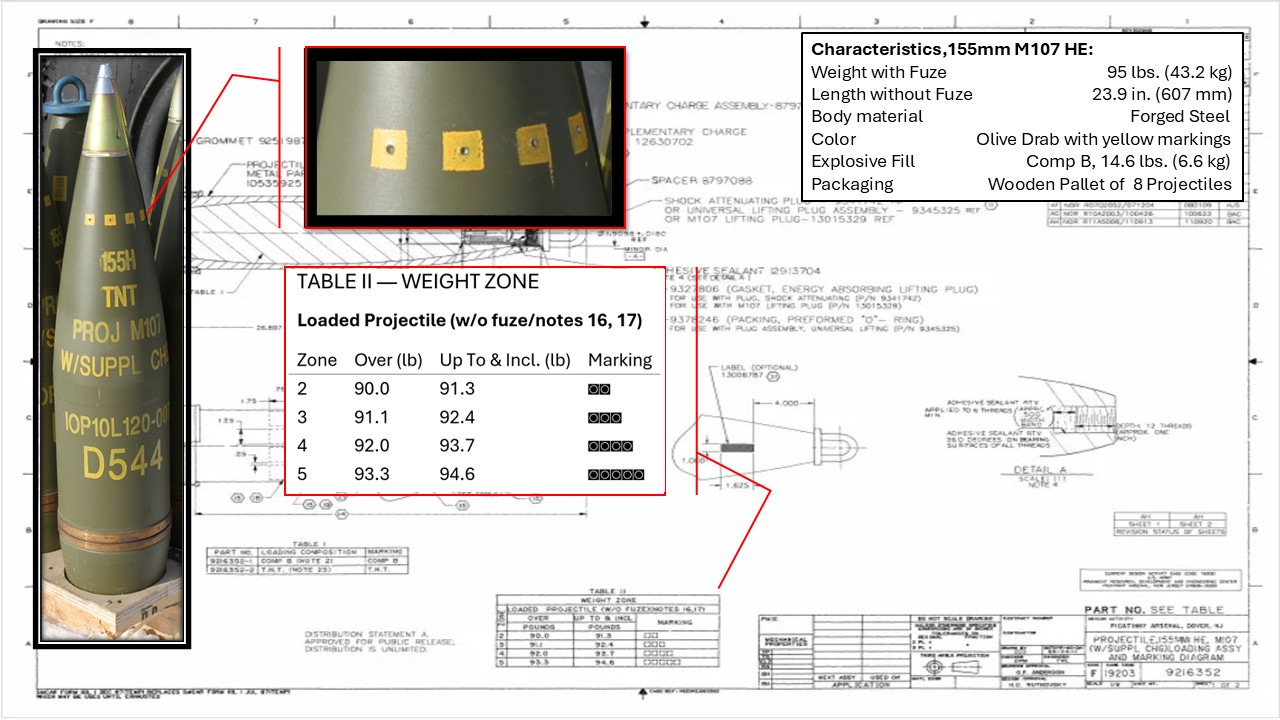
Image. Composite illustration of 155 mm M107 high-explosive projectile weight-zone markings and reference data, integrating projectile photographs, marking close-ups, technical drawing excerpts, and weight-zone tables compiled from multiple source documents. Weight Zone Markings are indicated by ◙ the Unicode character U+25D9, known as the Inverse White Circle.
Introduction. While reviewing the color coding and external markings applied to munitions, I encountered several differing explanations of Weight Zone Markings, each illustrated with its own reference image. These markings identify specific weight variations within a shell type and are a critical input for accurate fire control, ballistic matching, and overall system consistency. Although I understood the general purpose of weight zones, I found that I could not interpret the markings presented in the references because the images used to explain them varied in format. This discrepancy prompted a deeper understanding of how these markings are applied in practice. As a result, this led me on a learning journey through Field Artillery ammunition—rationale behind the ammunition weight zone markings system.
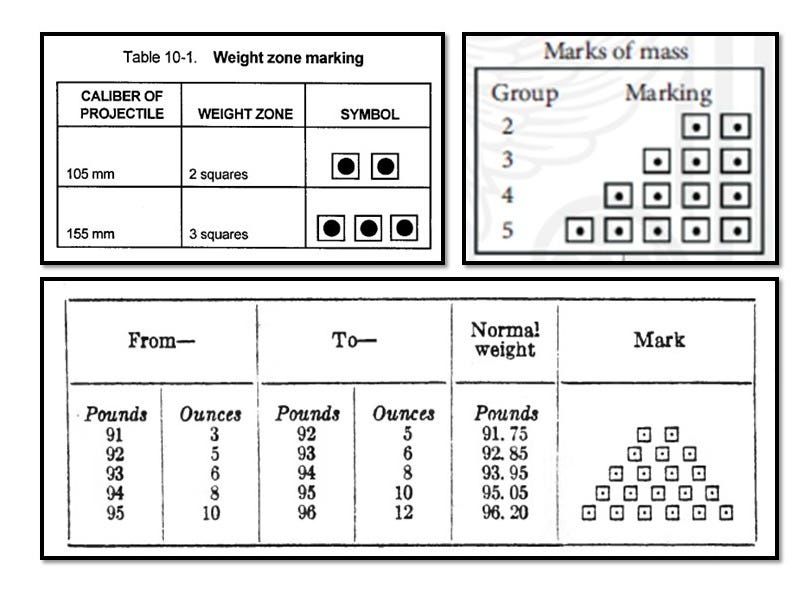
Figure 1. Various weight zone illustrations.
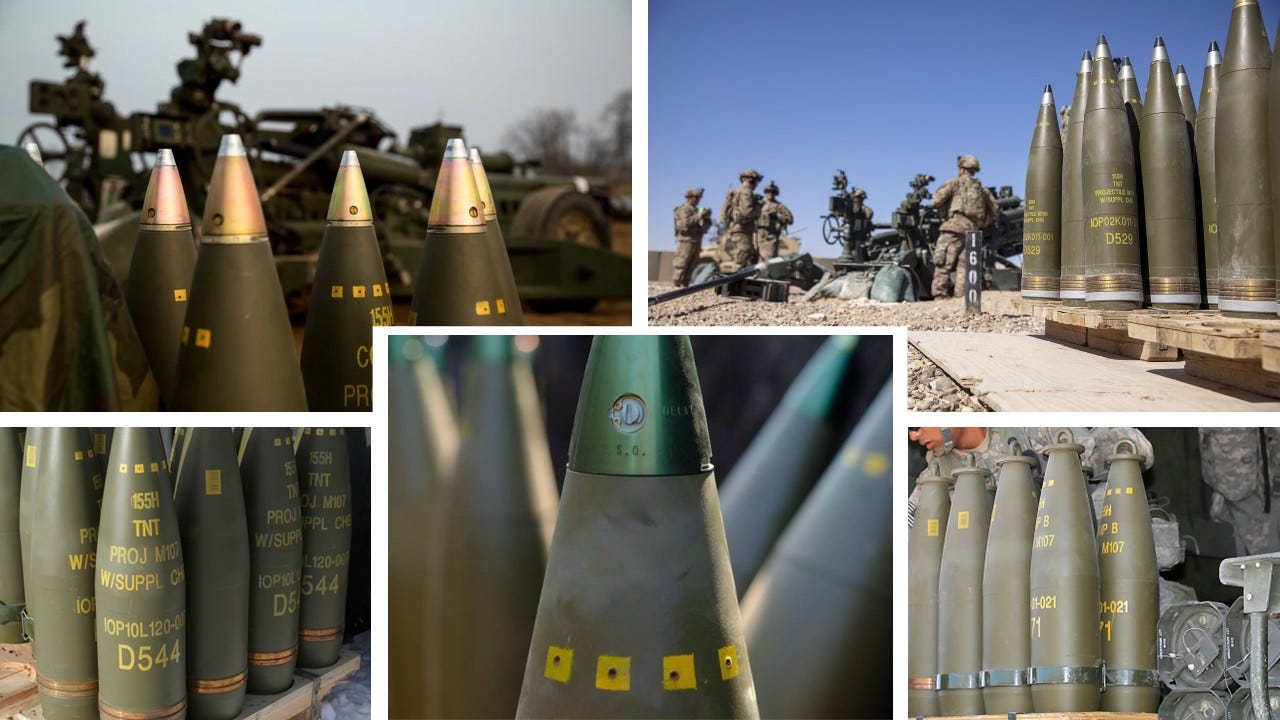
Figure 2. Various examples of weight zone markings.
Weights. The weights of unfuzed projectiles vary from round to round, and this variation in weight will result in considerable variation in range. To help the services conveniently note these weight variations, shells are divided into weight zones. Each lot number of ammunition contains only shells of one weight zone, and more uniform ballistic results should be obtained by firing groups containing shells of the same weight zone. These weight marks are made with a prick punch and are placed in the center of squares stenciled on the projectile. The weight zones and identification marks are placed on the shell to indicate the particular weight zone for the projectile type.
Weight of Projectile. The weights of similar projectiles vary within certain zones (commonly termed square weight). The appropriate weight zone is stenciled on the projectile (expressed in so many squares). Some projectiles are also marked with the weight in pounds. In general, a heavier-than-standard projectile experiences a decrease in muzzle velocity because more of the force generated by the gases is used to overcome the initial resistance to movement. A lighter-than-standard projectile generally experiences an increase in velocity. However, when projectiles are fired with higher charges and at increased ranges, heavier-than-standard projectiles may achieve greater ranges.
Table F in the tabular firing tables lists correction factors for the effect of nonstandard square weights. Firing tables and technical gunnery procedures allow the unit to consider specific ammunition information (projectile square weight, fuze type, and propellant temperature); thus, accurate firing data are possible. Correction for a 1 square decrease or increase in projectile weight (Columns 18 and 19). This is a correction to range to compensate for a decrease or increase of 1 square in projectile weight.
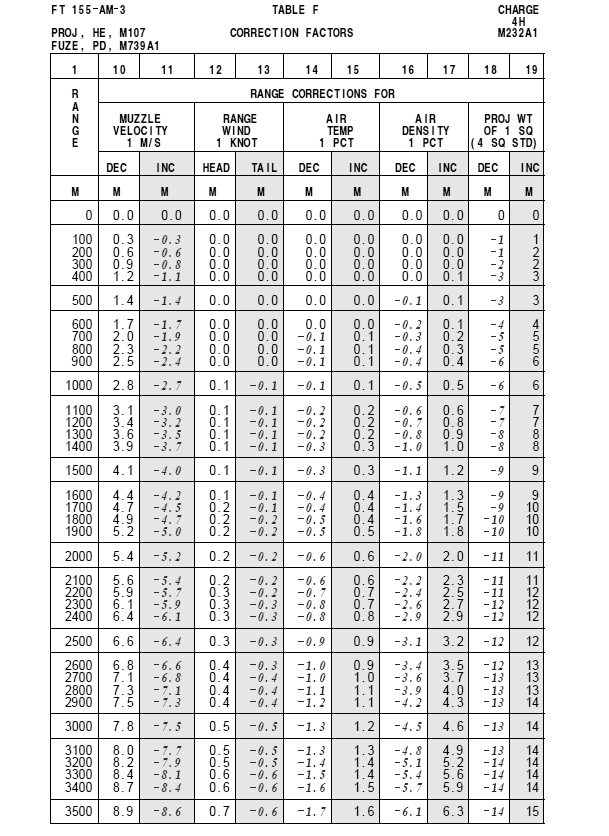
Figure 3. Table F (Continued). Columns 18 through 19 list range corrections for projectile weight.
Projectile Square Weight Error. Projectile square weight allows the Fire Direction Computers to correct projectile weights on the gun line that deviate from standard. Errors in projectile square weight cause range errors for all howitzers from the fire direction perspective. Errors may also exist on an individual howitzer due to poor ammunition reporting procedures or because the howitzer fires the wrong projectile lot. The following diagram shows the importance of accurate projectile weight. The example below describes a situation in which the munitions were not verified, the automated system contained a high explosive 3 Square, but the ammunition on the gun line was 5 Square.
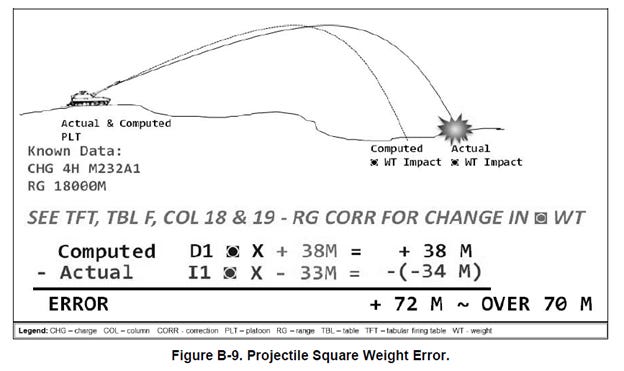
Figure 4. Projectile Square Weight Error.
Engineering Drawings. These drawings communicate the complete technical explanation of a component through a standardized combination of views, notes, sections, and tables, as illustrated by this 155 mm high-explosive projectile assembly drawing. The primary orthographic and sectional views show the external geometry and internal features, including the projectile body, liner, supplementary charge, fuze cavity, and threaded interfaces, with cross-sections used to depict concealed components and assembly relationships clearly. Dimensional information is controlled through explicit linear dimensions, tolerances, and thread designations, ensuring interchangeability and manufacturability. Administrative sections such as the title block, revision status, approval signatures, distribution statement, and general notes establish configuration control and usage authority. The drawing also incorporates structured tables, including a parts or bill-of-materials table (listing part numbers and descriptions), and a loading or marking table defining explosive composition and external identification requirements. Most notable is the weight-zone table that correlates projectile mass ranges to marking codes.
Russian Projectile Weight Classification. The usual manufacturing practice is to mark projectiles that fall within or outside the nominal weight zone. Russia and some other countries do this by using + or - symbols. Russian projectile weight classifications follow:
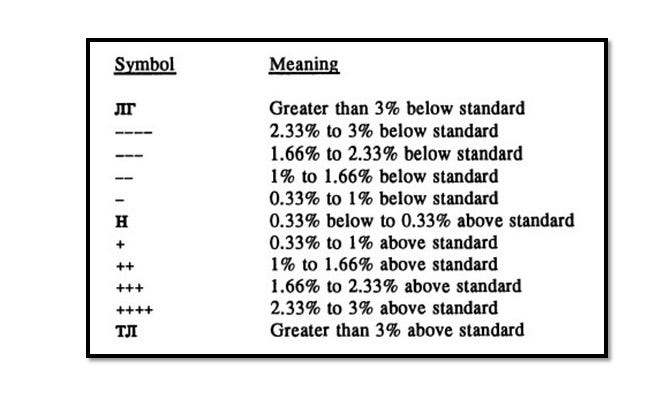
Figure 5. Russian projectile weight classifications.
Conclusion. My progression from a basic understanding of artillery weight zone markings to a more informed understanding of their practical and technical significance. What began as confusion caused by inconsistent reference images evolved into a clearer appreciation of how projectile weight variations directly influence range, muzzle velocity, and overall fire control accuracy. By examining how weight zones are defined, marked, and accounted for in firing tables and fire direction systems, I learned that even small errors in identifying or reporting projectile square weight can produce systematic range errors across an entire firing unit. The discussion of engineering drawings further reinforced this lesson, showing how standardized views, tables, and notes formally link projectile mass ranges to specific marking codes and ensure consistency from manufacturing through employment. Ultimately, the key lesson markings on artillery ammunition serve not just as administrative labels but also as a vital technical language. Properly understanding and verifying these markings are crucial for accurate and effective military operations.
References
Field Artillery Manual Cannon Gunnery, TC 3-09.81, 2016
Mobile Artillery Ammunition, TR 1355-155A, 1927
https://www.bulletpicker.com/pdf/TR-1355-155A.pdf
155MM M107 HE High Explosive
https://www.gd-ots.com/wp-content/uploads/2017/11/155mm-M107-HE_US.pdf
The Improvements of Ballistic Characteristics of Artillery Projectiles of 152 and 155 mm Calibers
https://bibliotekanauki.pl/articles/59123966.pdf
Projectile and Warhead Identification Guide Foreign (U), 1994
https://www.bulletpicker.com/pdf/DST-1160Z-029-94.pdf
M107 Drawing 9216352
https://www.scribd.com/document/730848969/M107-Drawing-9216352